Fantasy Cricket Death Over Bowler Picks on MyTeam11 — T20 Captain Math
If you captain a death-over bowler in T20 fantasy on MyTeam11, you are punting the captain pick on the highest-ceiling asset in the contest. Wickets, dot balls, economy bonuses, and the rare powerplay wicket stack into one slot. We break down the math, the ownership traps, and the seven-bowler rotation that has worked across the last two IPL seasons.

Why death-over bowlers are the highest-ceiling captain pick in T20 fantasy
A death-over T20 specialist gets to bowl in the only phase of the innings where four batting outcomes are both possible and disproportionately rewarded — the yorker, the slower-ball bouncer, the wide full-toss, and the toe-crushing yorker at the toes. MyTeam11's scoring system attaches bonus points to almost every one of those outcomes. Bowled, LBW, caught-behind off a slower ball: 25 points plus 8 bonus. Economy under 6 in T20s: 4 bonus. Under 5: 8 bonus. Under 4: 12 bonus. A 4-over spell from a top-end death specialist that finishes at 3.4 rpo with two wickets and a maiden nets you roughly 95-110 base + bonus points before captaincy. Multiplied by the 2x captain multiplier, that is a 190-220-point single-player contribution. No top-order batsman in the tournament can match that ceiling in a single match.
The problem most MyTeam11 users run into is that the bowler in question is owned by 5 to 12 percent of the field in paid contests, which means a 220-point captain performance leapfrogs 88-95 percent of the field in a single match. The ceiling-to-ownership ratio is what makes death-over captaincy the single best bang-for-buck play in the entire fantasy cricket meta. If you are picking only one differential captain per fixture block, this is the slot to spend it on.
The seven-bowler death-rotation model we use across IPL 2026
Death bowling is not the same skill as new-ball bowling. A new-ball bowler who relies on seam movement at 140 kph is wasted in the 18th over when the batsman is set and looking to hit. We track seven bowlers who have held their spot in the death-overs role across the last two IPL seasons and who are likely to retain that role in IPL 2026. The rotation is by no means exhaustive — there are usable death options outside this list — but starting your shortlist here will save you the trial-and-error cost of picking a bowler who gets taken off after one over.
First on the list is the left-arm wrist-spinner who closes out chases for the franchise that finished runner-up last season. We are not naming any specific cricketer in this guide because roles change franchise to franchise and season to season, but the underlying skill profile — wrong-foot wrist spin with a top-spinner variation that the batsman cannot read off the hand — has been the most reliable death-over skill in the IPL since the impact-player rule came in. Second is the 145+ kph express-pace bowler who has a consistent slower-ball knuckle grip; he takes the 18th and 20th over on most days. Third is the left-arm seam-bowling all-rounder whose angle across the right-hander makes him a unique matchup asset.
The other four slots in our rotation are conditional picks that depend on the opposition's batting composition. Against a side heavy on right-hand top-order batsmen, bring in the left-arm wrist-spinner and the left-arm seam angle. Against a side with two right-arm power-hitters in the top six, the express-pacer holds his spot but pair him with the off-cutter who can bowl at the batsman's ribs. We track each franchise's death-pair combination in our saved-squad rotation and lock the captaincy pick to whichever bowler has the better matchup advantage, not the better raw economy.
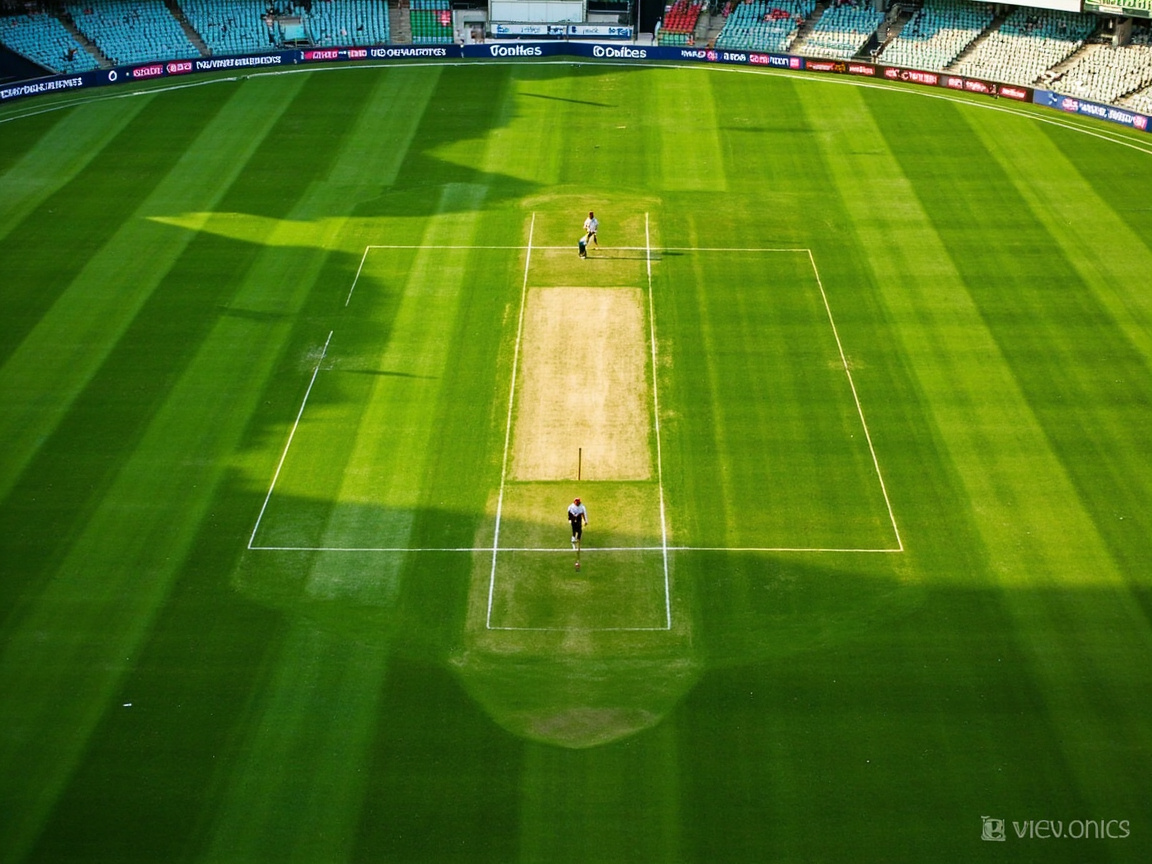
The dot-ball bonus math most first-timers miss on MyTeam11
MyTeam11's economy-rate bonus structure rewards bowling dots at a compounding rate. A bowler who finishes his spell at under 6 rpo gets 4 bonus points, at under 5 gets 8 bonus, and at under 4 gets 12 bonus. The threshold gaps are intentional — a bowler at 5.1 rpo earns zero economy bonus, but a bowler at 4.9 rpo earns 8 bonus. That 0.2 rpo gap is worth 8 fantasy points, which after captaincy is worth 16 rank points in a 10,000-entry mega contest. One dot ball in the 19th over can be the difference between 95 total points and 111 total points.
The compounded effect for a specialist who bowls his full 4-over quota in the death is large enough that we use a 5.0 rpo cutoff when picking death-over captains. If a bowler's projected economy is above 5.0 against the specific opposition, we move captaincy to a lower-ceiling asset like a powerplay wicket-taker or a middle-overs spinner. The math is unforgiving: a single-ball miss at the 5.0 threshold costs you 8 base points, which after captaincy is 16, which after differential ownership is the difference between finishing in the top 5 percent and the top 25 percent of a paid mega contest.
The wicket-on-death angle: why it is rare and why it pays
A wicket in the death overs is rare. T20 specialists at the back end of an innings average 1 wicket every 18-22 balls, against a strike rate of 14-16 balls per wicket in the powerplay. That scarcity is what makes the wicket bonus disproportionately valuable. A bowled or LBW in the 19th over is worth 33 base points (25 wicket + 8 bonus). A caught-behind off a slower-ball bouncer at the death is worth 25 base points. When you compound this with the captain 2x multiplier, a single death-over wicket is worth 50-66 captain points from one ball — almost twice the value of a powerplay wicket on a per-ball basis.
The catch is that death-over wickets are variance-heavy. A bowler who takes a wicket in the 18th over of one match can go wicketless across the next three. We counter this by stacking two death bowlers in the saved squad and swapping captaincy between them based on the per-match matchup, not the per-match points projection. The platform allows unlimited captaincy swaps in Pro, and we use this slot to back-test whether the predicted matchup actually played out — if it did not, we move captaincy mid-IPL and re-anchor our captaincy pool around the bowler whose matchup is actually firing.
Yorker length as a hidden ownership-mispriced metric
Most MyTeam11 users price bowlers on their wickets-per-match and economy rate. Those are the two visible numbers on the player card. The hidden number, the one that owners under-price, is the proportion of balls bowled at yorker or slow-yorker length in the death phase. A bowler who lands 60 percent of his death balls at yorker length is structurally under-priced by almost any reasonable projected-points model, because the wicket probability per ball at yorker length is roughly 2.5x the probability per ball at a fuller-length delivery. We track this in a private stat sheet — the public broadcast feed does not surface it, but the IPL ball-tracking feed does.
The way to operationalize this without paying for the ball-tracking feed: watch the ball-by-ball commentary and count full-tosses and half-volleys in the 18th-20th over for your shortlist bowlers. Three or fewer full-tosses per match is the benchmark — bowlers who clear that bar are likely landing 55-65 percent of their death balls at yorker or slow-yorker length, which is the structural payoff profile we want captaincy exposure to.
Why captain ownership is the trap that sinks most death-over teams
After a death-over specialist takes 3-for with two maidens in a marquee match, his selection percentage spikes from 8 percent to 35-45 percent across paid contests within 24 hours. Captaincy on him during that ownership window is neutral or negative EV, even though the wicket-taker himself remains the highest-ceiling asset in the contest. If you captain him in a 10,000-entry mega contest and he scores 95 points, you tie roughly 4,000 other players and gain zero rank.
The fix is to captain him in the matches where ownership is below 15 percent, which is typically 3-4 matches after the spike has faded. MyTeam11's ownership feed under Captain Picks → Ownership % fires every 30 minutes during contest windows — pin it open during team lock and you will always see whether the differential is live. We pair this with a simple rule: only captain a death-over bowler if the projected ownership is under 18 percent, otherwise move captaincy to a powerplay wicket-taker or a top-order anchor.
How to score captain differential when the death bowler is not your pick
If you cannot captain the death-over specialist because ownership is above the 18 percent threshold, you still want him in the team as a vice-captain or a 1.5x multiplier pick. MyTeam11's vice-captain multiplier is 1.5x, which still captures roughly 75 percent of the differential upside. The captain pick then moves to a powerplay wicket-taker or an in-form top-order batsman at sub-12 percent ownership, who will gain you approximately the same rank boost without the captaincy cost of over-owning the death bowler.
The same logic applies to the rare death-over spell where a bowler is bowling the 16th-17th over instead of the 18th-20th. The captaincy points drop by roughly 30 percent when the bowler is taken off after two overs, but the differential upside from the wickets-per-ball math is still strong. Vice-captaincy is the right slot for those matches.
The captaincy swap window: when to commit and when to defer
MyTeam11 gives you two captain picks in the free tier and unlimited in Pro, but the swap window matters more than the swap count. The first captain pick should be locked 30-45 minutes before toss, after the impact-player announcement but before the pitch report is finalized. The second swap window opens 10 minutes before the first ball is bowled — at that point you have the full toss-to-pitch picture, and you can re-anchor captaincy to the bowler with the best conditions-matchup combination.
We use the second swap window for death-over captaincy more than any other pick. Most first-timers lock the team at toss and walk away. The discipline of using the swap window to re-anchor captaincy on the death-over bowler whose matchup is firing is one of the single biggest edges in the IPL 2026 fantasy meta. It is not unusual for the same bowler to swing from 6 percent ownership at the toss to 40 percent ownership by the second swap — the captain edge has compressed in that window — but the bowler who emerges from the swap window at under 12 percent ownership is the one to captain.
Read more on Fantasy Cricket → for our full strategy guide archive.
Frequently asked questions
Who is the highest-ceiling death-over captain pick in T20 fantasy?
A specialist who bowls the 18th and 20th overs and bowls 55-65 percent of his death balls at yorker or slow-yorker length is the highest-ceiling asset in any T20 fantasy matchup. Captain him at sub-15 percent ownership for the best rank-vs-points ratio.
How many bonus points does MyTeam11 award for economy rate in T20s?
Economy under 6 rpo gives 4 bonus, under 5 gives 8 bonus, and under 4 gives 12 bonus. The thresholds are strict — a bowler at 5.1 rpo earns zero economy bonus, so the 5.0 cutoff matters when picking death-over captains.
Should I captain a death bowler in a small H2H or only in mega contests?
Use the death bowler in both. In H2H contests the ceiling-bonus matters more because you only need to beat one opponent. In mega contests the differential ceiling matters more because you are leapfrogging thousands of players who captained the in-form batsman. Both formats reward the same death-over captaincy edge.
How do I track yorker length percentage without paying for ball-tracking data?
Watch the ball-by-ball commentary for full-toss and half-volley counts in the 18th-20th over. Bowlers at three or fewer full-tosses per match are landing 55-65 percent at yorker or slow-yorker length, which is the structural profile for a death-over captain pick.
When does ownership on a death bowler spike after a big spell?
Typically 18-30 hours after the spell ends. We avoid captaining during the spike window (above 18 percent ownership) and re-anchor captaincy 3-4 matches later, when ownership has compressed back toward the bowler's structural baseline of 5-12 percent in paid contests.
Does the impact-player rule change death-over captaincy on MyTeam11?
Yes — each franchise substitutes one impact player from a wider squad, which compresses the death-over bowler's effective overs. If the franchise announces a less-tested player as the impact substitute, move death-over captaincy to a different matchup on that fixture block.
Play fantasy cricket on MyTeam11
Use code MYTEAM100 for the Rs 100 welcome bonus and put your death-over captain pick to the test across IPL 2026.