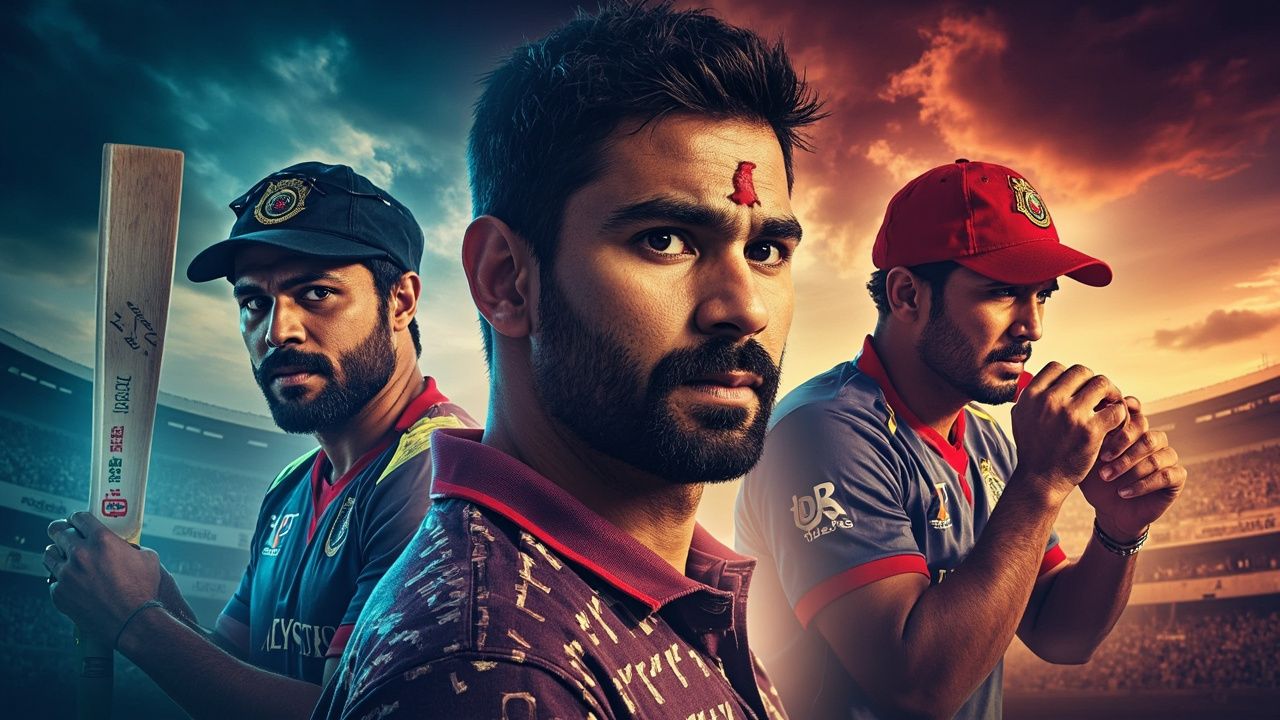
Top 10 Batsmen for IPL 2026 Fantasy Cricket
Virat Kohli (RCB, 11 credits) remains the gold standard for IPL fantasy batting. His Chinnaswamy Stadium home record is unmatched — averages 60+ fantasy points per match at home with consistent 50+ runs. Captain pick frequency: 60-70% of RCB matches. Risk: lower differential value due to high ownership.
Rohit Sharma (MI, 10.5 credits) is the premier powerplay specialist. His strike rate in first 6 overs (150+) translates to high fantasy points from boundaries plus dot ball bonuses. Captain pick when MI bat first on flat tracks. Differential value: medium (40-50% ownership typically).
Shubman Gill (GT, 11 credits) is the anchor batsman with consistent 40+ point floors. His ability to bat through the innings makes him captain-safe but ceiling-limited. Pick Gill for consistency, not for differential gains.
Suryakumar Yadav (MI, 10.5 credits) is the 360-degree player with the highest ceiling in IPL fantasy. When Surya fires, he scores 80+ points. But his unique shot selection means inconsistency is part of the package. Captain pick: high-variance, high-reward. Best used when MI play on flat tracks.
Other top batsmen: KL Rahul (DC, 10 credits), Ruturaj Gaikwad (CSK, 10 credits), Yashasvi Jaiswal (RR, 10 credits), David Warner if playing, Travis Head (SRH, 10 credits), Sai Sudharsan (GT, 9 credits — value differential).
Top 10 Bowlers for IPL 2026 Fantasy Cricket
Jasprit Bumrah (MI, 11 credits) is the most reliable fantasy bowler in T20 cricket. His economy rate (under 7 in T20s) and wicket-taking ability deliver consistent 40-60 point returns. Captain pick: high on flat tracks where wickets are scarce, making each Bumrah wicket more valuable.
Yuzvendra Chahal (RR, 9.5 credits) is the premier wicket-taking spinner. Middle-over wickets are his specialty, and he delivers 30-50 points per match with ceiling matches reaching 80+. Captain pick: against left-handed heavy lineups where his wrist spin is most effective.
Rashid Khan (GT, 10 credits) is the match-winner spinner with all-format consistency. His googly and leg-spin variations create wicket opportunities on any surface. Captain pick: differential against teams weak against spin.
Other top bowlers: Mohammed Shami (SRH, 10 credits), Kuldeep Yadav (DC, 9 credits), Sunil Narine (KKR, 10 credits as bowler), Andre Russell (KKR as bowler), Matheesha Pathirana (CSK, 9 credits), T. Natarajan (SRH, 8.5 credits — value differential).
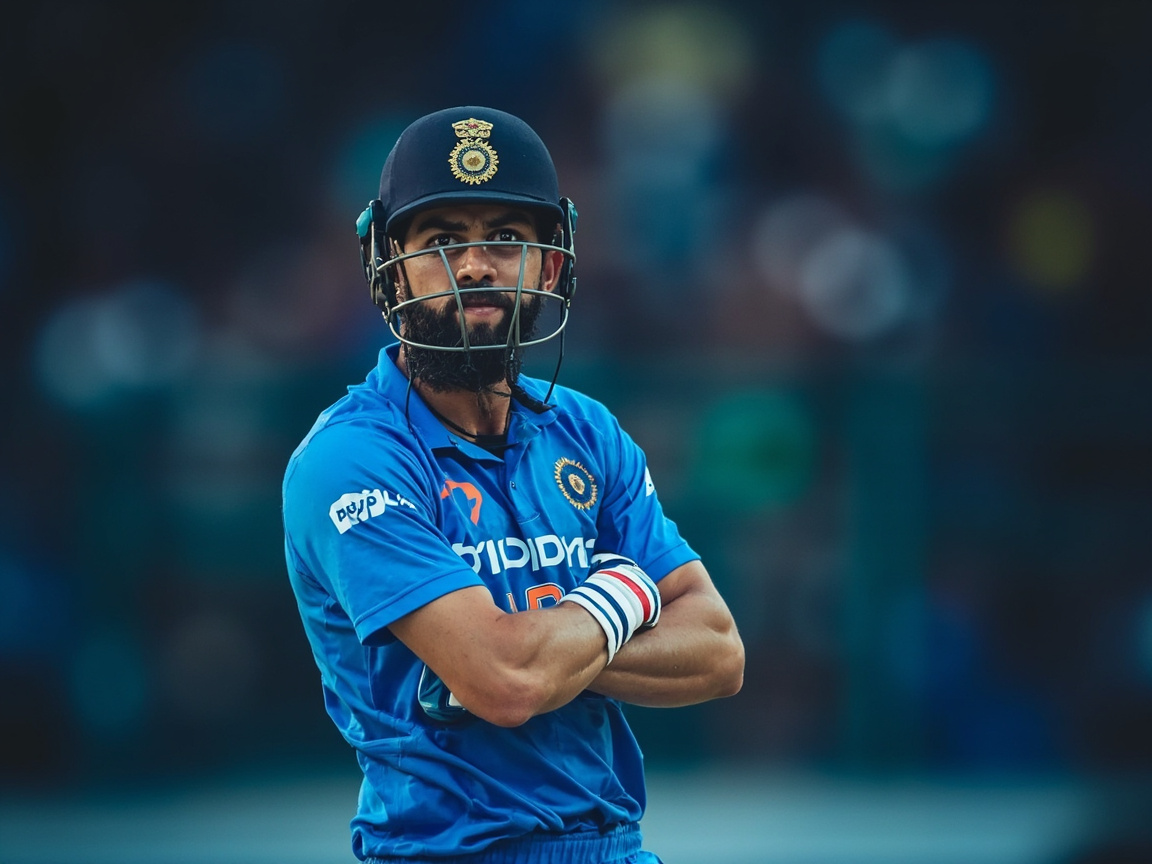
Top 10 All-Rounders for IPL 2026 Fantasy Cricket
Hardik Pandya (MI, 11 credits) is the premier all-rounder with dual points from batting and bowling. His role as MI captain guarantees batting position in top 6 plus 2-4 overs of bowling. Consistent 50-70 fantasy points per match. Captain pick: safest all-rounder captain in IPL.
Andre Russell (KKR, 10.5 credits) is the highest-ceiling all-rounder. When Russell fires, 100+ fantasy points are possible. When he fails, 10-20 points. Captain strategy: high-variance pick for mega contests, avoid in head-to-heads where consistency matters more.
Sunil Narine (KKR, 10 credits) is the unique all-rounder who opens batting AND bowls 4 overs of mystery spin. His dual contribution makes him one of the most valuable fantasy picks. Captain strategy: balanced choice with 40-60 point typical returns.
Other top all-rounders: Ravindra Jadeja (CSK, 10 credits), Axar Patel (DC, 9.5 credits), Marcus Stoinis (LSG, 9.5 credits), Glenn Maxwell (RCB, 9.5 credits), Cameron Green (RCB, 9.5 credits), Shivam Dube (CSK, 9.5 credits), Hardik's brother Krunal Pandya if playing.
Top Wicketkeepers for IPL 2026 Fantasy Cricket
Rishabh Pant (DC, 10.5 credits) is the top fantasy wicketkeeper. His explosive batting plus stumping/catch points deliver 50-70 fantasy points per match consistently. Captain pick: high upside, especially in matches where DC bat first on flat tracks.
Sanju Samson (RR, 10 credits) is the second-tier wicketkeeper with similar dual-points potential. Slightly lower ceiling than Pant but more consistency. Captain strategy: balanced pick.
Other fantasy-relevant wicketkeepers: KL Rahul (DC, 10 credits — also bats in top order), Heinrich Klaasen (SRH, 9.5 credits), Nicholas Pooran (LSG, 9.5 credits), Ishan Kishan if playing, Dhruv Jurel (RR, 8.5 credits — value differential).
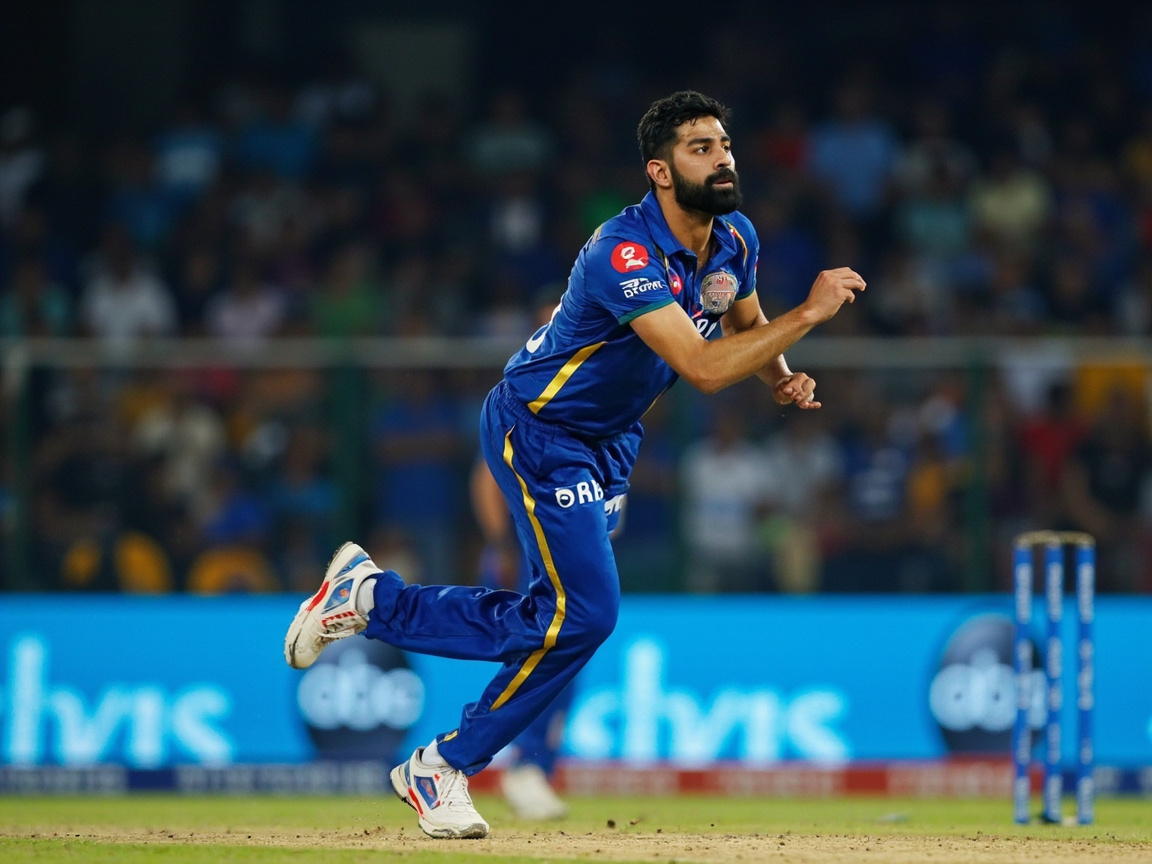
Value Picks and Differential Gems for IPL 2026
Value picks (under 8.5 credits): These players give budget flexibility while still delivering 30-50 fantasy points. Examples: T. Natarajan (SRH, 8.5 credits — death wicket-taking), Sai Sudharsan (GT, 9 credits — anchor batsman), Dhruv Jurel (RR, 8.5 credits — wicketkeeper-batsman), Mukesh Kumar (DC, 8.5 credits — powerplay seamer).
Differential picks (under 15% ownership): Identify players with high ceiling in specific match conditions. Examples: spinners on spin-friendly tracks (lower ownership than pacers), uncapped Indian players who break out, lower-order batsmen promoted up the order due to injury. Differential picks can swing your rank by 500+ positions when they fire.
Rookie picks: IPL 2026 features new uncapped players identified through auction and domestic cricket. Track pre-season performances and auction hype — players who break out in their first 5 IPL matches often become differential gems for the rest of the season. Monitor MyTeam11's player ownership statistics to identify low-owned players with high recent form.
Player Form Tracking and Statistics for Fantasy Success
MyTeam11 provides comprehensive player statistics: last 5 matches average points, season-long average, venue-specific performance, head-to-head records against specific teams. Use these stats alongside your own cricket knowledge for optimal team selection.
Track the following metrics manually for your core picks: (1) Average fantasy points per match over last 5 games, (2) Strike rate for batsmen, economy rate for bowlers, (3) Performance at upcoming venue, (4) Recent form vs opposition bowling/batting type. This data-driven approach is how serious fantasy players maintain a 55%+ win rate over hundreds of contests.
Watch for 'form breakouts' — players who suddenly deliver 80+ fantasy points after weeks of mediocre returns. These breakout signals include: increased batting position, new role in team (e.g., promoted to opener), successful adjustment to new conditions, or recent selection in international squads. Form breakouts typically last 4-6 matches before regression — time your captain picks to maximize the breakout window.