Zimbabwe vs India 3rd T20I 2026 Fantasy League Tips — Harare Captain Picks & MyTeam11 XI
Sportsdunia's 25 July fantasy preview of the third and final India–Zimbabwe T20I at Harare Sports Club on 26 July 2026, with the first ball scheduled for 4:30 PM IST. Ishan Kishan and Abhishek Sharma are the safe captain pair, Vaibhav Suryavanshi and Blessing Muzarabani take the risky tag, and Tadiwanashe Marumani and Shivam Dube are the two players flagged to avoid. Here is how a MyTeam11 lineup builder can take that suggestion and turn it into a locked XI before the 4:00 PM IST lineup window closes.
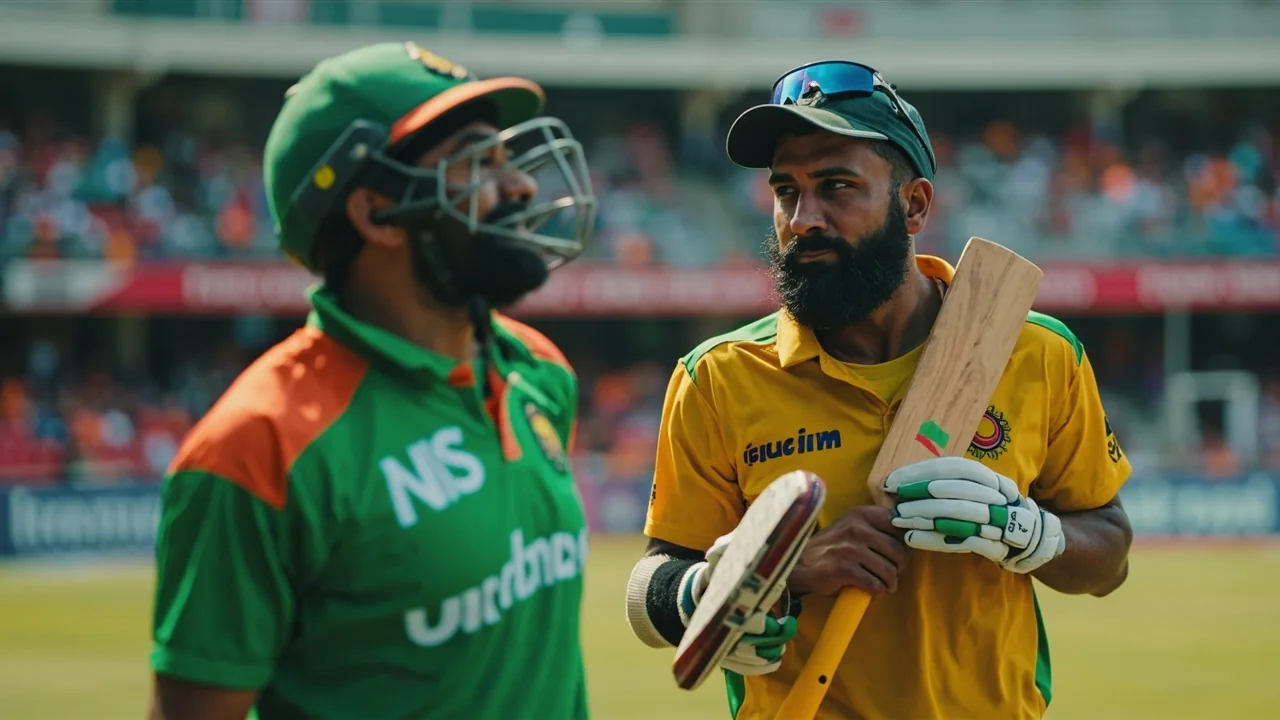
Match card and the lock window
Sportsdunia's match card sets the fixture as ZIM vs IND, 3rd T20I, at Harare Sports Club in Harare on 26 July 2026, with the first ball at 4:30 PM IST. Three matches, three afternoons, one venue. That short window has direct consequences for MyTeam11 lineup builders: the lineup screen locks 30 minutes before the first ball, which puts the deadline at 4:00 PM IST, and every important captaincy and role decision has to be made on the basis of the 25 July published preview rather than on rumours from the nets on the morning of the 26th.
Harare in late July is a familiar surface for both squads. The square boundaries sit around 65 to 68 metres, the outfield runs quick enough that boundary hitters get full value on placement rather than power, and any morning moisture burns off by the second innings. India has historically been able to use the middle overs against a Zimbabwe batting order that has looked brittle against turn when the ball grips, and that matchup history — more than a single innings of recent form — is what Sportsdunia leans on when it names a top-order keeper-batter as its safe captain pick rather than a death-overs seam bowler.
Safe captaincy: Ishan Kishan and Abhishek Sharma
The safe captain pick on MyTeam11 is Ishan Kishan and the safe vice-captain is Abhishek Sharma. The reasoning behind both names is identical and worth spelling out for lineup builders who do not follow this format closely. A captain on MyTeam11 earns 2x on the player's actual score and a vice-captain earns 1.5x, which together make the captaincy pair responsible for a much larger share of a lineup's expected return than any other two slots. Naming a top-order keeper-batter as captain and a left-arm spinning all-rounder as vice-captain hedges both the batting ceiling (Kishan clears the rope with the new ball and again at the back end) and the bowling floor (Sharma bowls four overs of left-arm spin into the right-handed middle order).
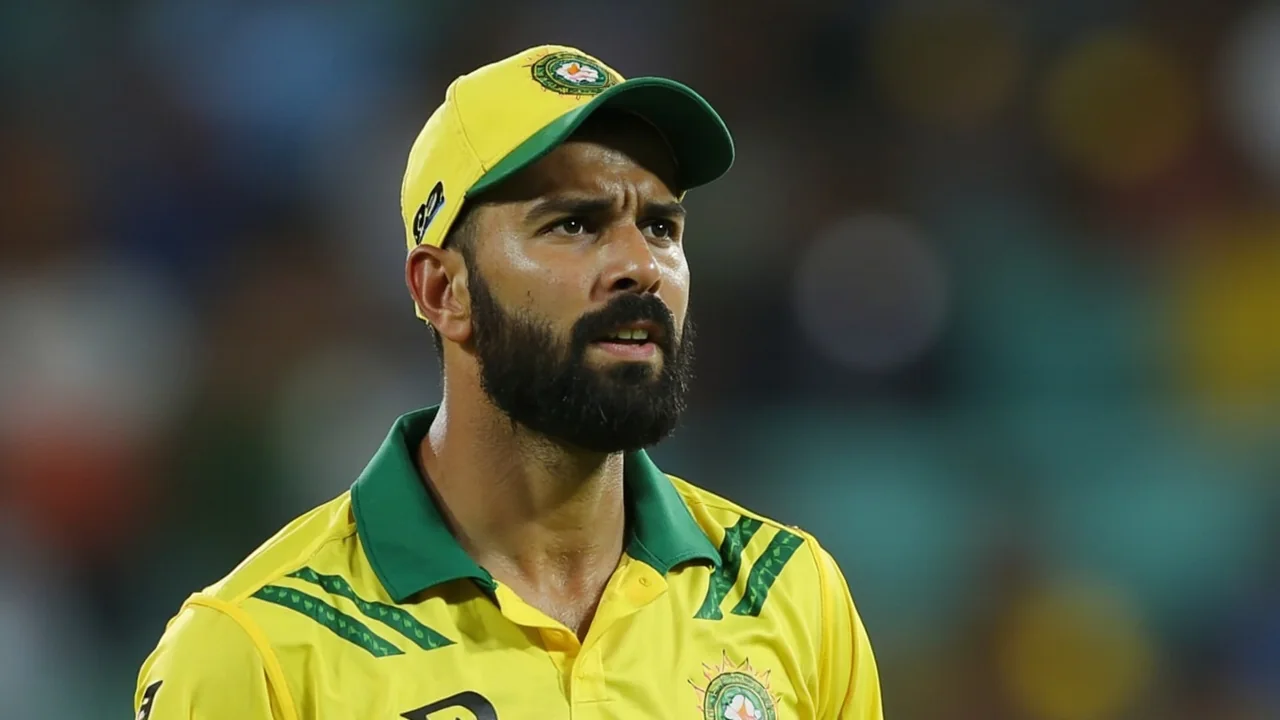
Ownership math matters as much as the player logic. On a bilateral T20I between India and an associate-level opponent, captain ownership on the obvious Indian opener tends to settle in the 45 to 60 percent band when the lineup window opens, and drifts down toward 35 to 50 percent by lock as the field splits between the safe captain and a differential. Picking Kishan at this ownership level captures the 2x multiplier on the most likely strong performer without paying the full-correlated-field penalty, which is the optimal position for head-to-head and small-league contests. For mega contests, the same safe pair is the right anchor in the core lineups but should not be the only captain combination you run across a multi-lineup portfolio.
Abhishek Sharma's fit as vice-captain is the slot first-time MyTeam11 players tend to under-rate. Left-arm spin into a right-handed top order is one of the cleaner matchup edges available on this fixture, and Harare's afternoon turn has historically rewarded bowlers who can land the ball into the surface rather than overcook it. Sharma typically gives you 2 to 4 overs in the middle phase, with catching points on top of any wicket bonus — the dual-category scoring that holds multi-lineup portfolios together when the captain pick goes cold. The 1.5x vice-captain multiplier on a 30 to 45-point all-rounder performance is the single most efficient slot-filling on this XI.
Risky captaincy: Vaibhav Suryavanshi and Blessing Muzarabani
Sportsdunia's risky captain is Vaibhav Suryavanshi and the risky vice-captain is Blessing Muzarabani. The shape of the pick is a high-variance batting captain paired with a wicket-hunter seam bowler — a combination you only reach for when chasing top-one-percent finishes in mega contests rather than steady small-league or head-to-head wins. Suryavanshi's profile is the obvious upside: when he fires he fires at a strike rate no equivalent-credit batter can match, the boundary bonuses stack quickly, and a 70-plus captain haul is what mega contests reward. The downside is that the same profile that produces a 90-point captain explosion also produces a 12-point captain zero when the batter does not get in.
Muzarabani as the contrarian vice-captain is a thinking pick rather than a vibes pick. His value against this Indian top order comes from the left-handed finishers in the middle — a matchup that has historically rewarded Zimbabwe seamers when they bowl into the pitch and target the pads, particularly at Harare where the surface offers a touch of lateral movement early in the innings. The realistic ceiling is a three-wicket spell with one or two catches behind the wicket, which multiplied by 1.5 pushes a 35 to 50-point bowling haul into a 50 to 75-point vice-captain return. The realistic floor is 8 to 12 points on a wicketless day.
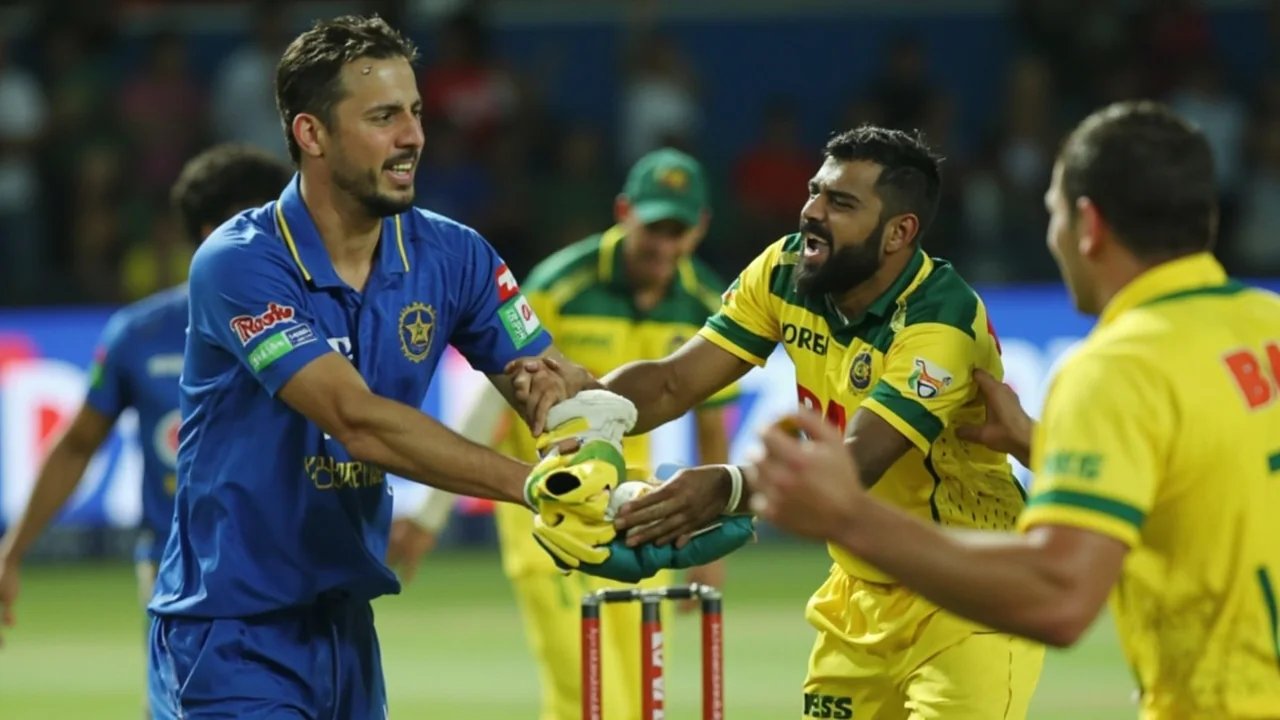
The risky pair is strictly a mega-contest play and should never be the only lineup you enter. The discipline that holds up under variance is to run a 5-to-7-lineup portfolio in which the safe captain combination fills 3 or 4 entries and the risky combination fills the remaining 2 or 3. That structure captures the upside of a Suryavanshi explosion on the entries where it lands without exposing your entire bankroll to the variance of a single captain pick on a short bilateral fixture.
Translating the suggested XI into a MyTeam11 lineup
Sportsdunia's suggested XI reads Ishan Kishan as wicketkeeper, Vaibhav Suryavanshi, Shreyas Iyer, and Ben Curran as the top-order batters, Abhishek Sharma, Sikandar Raza, and Brian Bennett as the all-rounders, and Mayank Yadav, Prince Yadav, Blessing Muzarabani, and Richard Ngarava as the bowling unit. Translated into a MyTeam11 lineup that satisfies the role cap, the structure is a 1 keeper / 3 batter / 3 all-rounder / 4 bowler split, which is the standard India-versus-associate template and leaves budget room for a 7 to 8.5 credit differential if you want to flex one slot.
The most interesting lineup decision inside that XI is the all-rounder block. MyTeam11 prices all-rounders higher than equivalent-role players because they score in two categories, and Abhishek Sharma typically sits 1.5 to 2 credits above a comparable pure batter. The trade-off works out cleanly on a single-entry build: his bowling allotment gives you 4 overs of left-arm spin that historically pick up a wicket or two on this surface, and his batting at number 5 or 6 gives you a ceiling most bowling picks cannot match. On a 7-lineup portfolio the math gets tighter — you can drop the Sharma premium on 2 or 3 lineups and replace him with a cheaper differential or a higher-ceiling bowler depending on the contest type.
Brian Bennett and Sikandar Raza fill the all-rounder block alongside Sharma for role coverage rather than ceiling. Bennett is the lower-cost Zimbabwean all-rounder whose bowling points tend to come on the slower bowlers' overs, and Raza is the high-floor captain-of-Zimbabwe selection whose batting slot is locked and whose off-spin adds 1 to 2 overs of middle-phase control. None of the three should be your captain pick, but on a multi-lineup portfolio you can rotate which one is captain across your differential entries to spread the all-rounder ceiling without overlapping.
Two players Sportsdunia flags to avoid
Tadiwanashe Marumani and Shivam Dube are flagged to avoid in the 3rd T20I, both priced at 8.0 fantasy credits. The reason both names come up is credit efficiency rather than form alone: at 8.0 credits a player needs a 40-plus-point return to justify the upside slot in a lineup, and the recent three-innings average for both sits below that threshold on this fixture. On a MyTeam11 lineup the 8.0 credit slot is the most contested place in the budget because it sits between the mid-tier core and the value picks, and picking the wrong player in that slot typically costs 10 to 15 lineup points across a contest.
The cleaner alternatives in the same credit band are the players on Sportsdunia's XI who fall at or below the 8.0 line. Mayank Yadav and Richard Ngarava are the two clearest swaps: Yadav gives you pace-bowling upside against a right-handed Zimbabwe middle order, and Ngarava brings the new-ball swing that historically rewards Zimbabwe seamers at Harare. Both have a locked role in the XI and a recent three-innings window that supports the credit price. If you want to stay closer to the public suggestion while still respecting the avoid list, swapping Marumani for Brian Bennett and Dube for one of the Yadav-Ngarava pair clears the flag without disturbing the role split.
Reading the match prediction for your lineup
Sportsdunia frames India as the more likely winner of the 3rd T20I, which is consistent with the head-to-head record at Harare and the wider odds movement on bilateral T20Is between the two sides. For MyTeam11 purposes the predicted winner matters less than the predicted margin, because the margin shapes which slots actually pay. A tight India win favours higher individual ceiling returns for the captain pick and reinforces Suryavanshi's strike-rate ceiling; a dominant India win suppresses captain variance and rewards the death-over bowlers and the catching all-rounders instead.
The lineup structure that pays off in both shapes is to take a safe captain from the home favourite, anchor two all-rounders in the middle, fill four bowling slots with at least one wicket-taking differential, and leave at least one Zimbabwean in the order to capture the upside if the home side gets off to a fast start. That structure costs you a small amount of captain ceiling in the dominant-win scenario but protects you from a complete captain zero when the toss goes against you. The biggest MyTeam11 lineup risk on this fixture is not picking the wrong captain — it is locking the rest of your XI in before the toss and missing the rotation picture that both teams have shown in the first two matches.
Match-up inputs to track in the final 30 minutes
Two match-up inputs should move your lineup before lock. First, the toss: both teams have rotated players across the first two matches, and the batting order in the 25 July preview could shift if a coach decides to rest a frontline bowler or promote a middle-order player up. Second, the confirmed playing XI: Sportsdunia's suggestion is a starting point, not a confirmed XI, and the right thing to do in the final 30 minutes is to wait for the toss announcement, lock your captain pick from the confirmed opening pair, and adjust the lower-order slots around that confirmation rather than the published XI.
For readers who want to read the suggestion back through the broader captain math, contest split, and bankroll discipline framework that drive most of our fantasy coverage, the rest of the fantasy tips articles on MyTeam11 walk through the safe-versus-risky captain rotation, the 60-25-15 entry split that survives a single bilateral T20I, and the unit-size rules that make a multi-lineup portfolio on this fixture sustainable.
Frequently asked questions
When does the ZIM vs IND 3rd T20I start, and when does the MyTeam11 lineup window close?
The 3rd T20I of the India tour of Zimbabwe 2026 starts at Harare Sports Club on 26 July 2026 at 4:30 PM IST. The MyTeam11 lineup window closes 30 minutes before the first ball, which puts the deadline at 4:00 PM IST.
Who is the safe captain pick on MyTeam11 for the 3rd T20I?
Sportsdunia's safe captain is Ishan Kishan, with Abhishek Sharma as the safe vice-captain. The logic is a top-order keeper-batter under the 2x multiplier paired with a left-arm spinning all-rounder under the 1.5x multiplier.
Who is the risky captain pick for higher-ceiling contests?
Sportsdunia's risky captain is Vaibhav Suryavanshi, with Blessing Muzarabani as the risky vice-captain. The upside is the Suryavanshi strike-rate ceiling plus Muzarabani's wicket-hunter profile against the Indian left-handed finishers. The combination fits mega-contest multi-lineup portfolios, not single-entry head-to-head.
Which two players should I avoid in the 3rd T20I lineup?
Sportsdunia flags Tadiwanashe Marumani and Shivam Dube, both priced at 8.0 fantasy credits. Neither clears the recent three-innings threshold needed to justify that credit on this surface. Cleaner alternatives inside the same credit band are Mayank Yadav and Richard Ngarava.
What is the suggested MyTeam11 XI for the 3rd T20I?
Sportsdunia's suggested XI is Ishan Kishan (wicketkeeper), Vaibhav Suryavanshi, Shreyas Iyer, and Ben Curran (batters), Abhishek Sharma, Sikandar Raza, and Brian Bennett (all-rounders), and Mayank Yadav, Prince Yadav, Blessing Muzarabani, and Richard Ngarava (bowlers) — a 1-3-3-4 role split with all-rounder scoring concentrated in the middle block.
How should I split MyTeam11 entries for a single bilateral T20I like this one?
For a single bilateral T20I the standard 60-25-15 split moves closer to 50-30-20, because head-to-head volume is higher when the daily match window is tighter and the late-window opponent pool softens. Keep the safe captain combination in your small-league entries and the risky combination in your mega entries.
Who is the predicted winner, and does the prediction actually change the lineup?
Sportsdunia's match prediction frames India as the more likely winner. For lineups the predicted margin matters more than the predicted winner — a tight India win favours captain ceiling, while a dominant India win flattens captain variance and rewards the bowling and all-rounder slots instead.
Build your MyTeam11 lineup for the 3rd T20I
Use code MYTEAM100 for the Rs 100 welcome bonus and lock in your captain pick, all-rounder block, and contest split before the lineup window closes at 4:00 PM IST on 26 July 2026.