RCB Cross $300M Brand Value to Become First Cricket Franchise Past the Mark After IPL 2026 Title
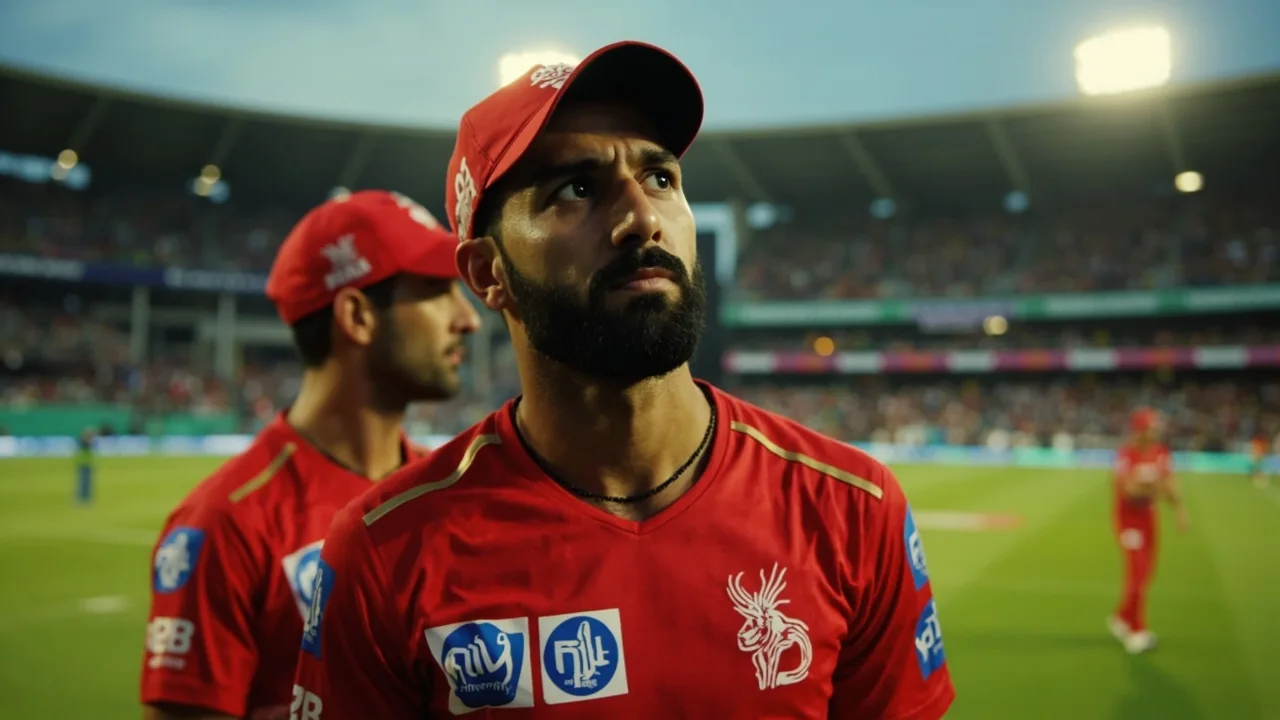
Royal Challengers Bengaluru ended the IPL 2026 season as champions and ended the IPL 2026 valuation cycle as the first cricket franchise in history to clear US$300 million in standalone brand value. Houlihan Lokey's 2026 report puts RCB at US$312 million, a 16% rise from US$269 million a year ago, ahead of Mumbai Indians (US$264 million), Kolkata Knight Riders (US$245 million) and Chennai Super Kings (US$244 million).
The headline number, and what it actually measures
RCB's US$312 million figure is a brand-value number, not a franchise-sale price. It is the value the Houlihan Lokey report attributes to the RCB name, fanbase, commercial partnerships, jersey sales, social following and broadcast visibility — distinct from the US$1.78 billion the new ownership consortium paid to acquire the franchise itself. The two numbers belong to different ledgers, and the gap between them is what the league's commercial story this year really is.
Harsh Talikoti, a director in Houlihan Lokey's Financial and Valuation Advisory business, framed the moment in language that goes well beyond a single franchise. "Cricket's evolution into a globally owned, institutionally backed asset class has accelerated further in 2026, with the IPL continuing to redefine the global sports landscape," he said. The RCB number is the headline, but the comment is about the structure underneath: foreign institutional capital, multi-party consortia and a league where the per-franchise numbers now compete with the European football mid-table.
The 16% year-on-year rise for RCB is also striking because it landed in a year when the franchise changed hands. Brand value is typically thought to take a hit during ownership transition — partner contracts get re-papered, sponsorship categories pause while the new owners audit the portfolio, social engagement can wobble during the announcement window. RCB did none of those things. The brand value moved up while the cap table moved.
The new owners: Blackstone, Bolt Ventures, Aditya Birla and the Times of India Group
The acquisition that closed four months before the report was a consortium deal, not a single-buyer takeover. Blackstone, Bolt Ventures, the Aditya Birla Group and the Times of India Group came together to buy RCB at a US$1.78 billion valuation. Satyan Gajwani, co-owner of RCB and chairman at Times Internet, made clear that the consortium was also engaged in the parallel Rajasthan Royals sale process at the time, which has since closed to a separate group led by the Mittal family and Adar Poonawalla at a reported US$1.65 billion.
The composition of the consortium tells you something about how the IPL is being priced in 2026. Blackstone is one of the largest alternative-asset managers in the world; Bolt Ventures is the family-office arm built by the Aditya Birla Group; Aditya Birla itself is one of India's largest conglomerates; the Times of India Group brings broadcast, digital and event IP. None of these are sports specialists in the traditional sense. They are allocators of patient institutional capital looking for cash-yielding sports IP with global upside. That combination is the reason the franchise cleared US$1.78 billion in the first place.
Gajwani's own framing was straightforward: RCB's fanbase intensity and connection are "unparalleled," and that intensity is what the consortium is paying for. He did not promise commercial miracles — the Houlihan Lokey numbers do most of that work on their own — but the comment matters because it sets the tone the new owners will carry into sponsorship renewals, jersey pricing and stadium activation through the IPL 2027 cycle.
The full IPL 2026 top-10 brand-value ranking
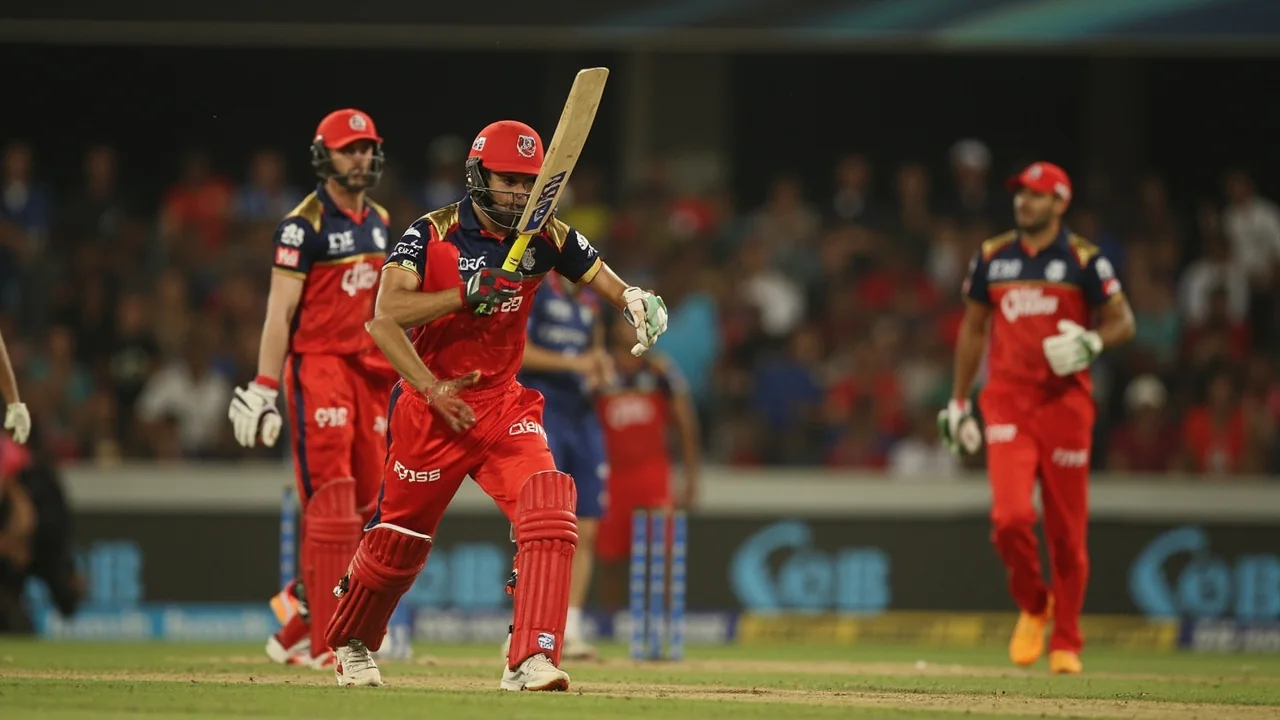
Houlihan Lokey's table runs across all ten franchises, with year-on-year change in parentheses. The full ranking, as published on 30 July 2026, is below.
1. Royal Challengers Bengaluru — US$312 million (+16.0%). 2. Mumbai Indians — US$264 million (+9.1%). 3. Kolkata Knight Riders — US$245 million (+7.9%). 4. Chennai Super Kings — US$244 million (+3.8%). 5. SunRisers Hyderabad — US$168 million (+9.1%). 6. Rajasthan Royals — US$161 million (+10.3%). 7. Punjab Kings — US$158 million (+12.1%). 8. Gujarat Titans — US$157 million (+10.6%). 9. Delhi Capitals — US$156 million (+2.6%). 10. Lucknow Super Giants — US$122 million (unchanged).
The headline numbers underneath the headline are interesting in their own right. Punjab Kings, with a new ownership consortium of their own in the room, posted the highest year-on-year percentage rise of any franchise outside the top three at +12.1%. Rajasthan Royals, also mid-transition, came in at +10.3% despite the ownership change. Gujarat Titans were at +10.6%, the strongest of the second-cohort franchises that have only been in the league since 2022. Delhi Capitals, by contrast, were the laggard of the established names at +2.6%, and Lucknow Super Giants were flat year-on-year at US$122 million.
The gap between first and fourth is the other line worth marking. RCB at US$312 million versus Chennai Super Kings at US$244 million is a US$68 million spread, the widest top-to-fourth spread in the report's history. Mumbai Indians and Chennai Super Kings, both five-time champions, were nearly tied, with Mumbai up 9.1% and CSK up only 3.8%. That spread is part of the reason the IPL 2026 title translated so cleanly into commercial value for RCB — the brand was already moving, and the championship was the multiplier.
The IPL itself: US$20.6 billion in total business value
The league-level number moved in step with RCB's. The IPL's overall business value rose 11.4% over the past twelve months, from US$18.5 billion to US$20.6 billion. That puts the IPL above several of the long-established European football leagues in standalone business value and is the third consecutive year the league has cleared a double-digit percentage growth band.
The US$20.6 billion headline is built on three commercial pillars: the media-rights cycle that runs through 2027, the central sponsorship inventory that the BCCI sells on behalf of the franchises, and the franchise-level commercial revenue that the Houlihan Lokey numbers reflect. Each pillar is moving at a different rate, but they are all moving up, and that is the structural story of the 2026 cycle. Talikoti's framing — "globally owned, institutionally backed asset class" — is the cleanest description of what the league has become in the eighteen months since the last central-rights auction.
For fantasy operators, the commercial arc matters in ways that are not always obvious at the team-sheet level. Sponsor inventory on a US$312 million franchise is denser than on a US$122 million one, which means more on-jersey branding rotations through a season, more in-stadia partner activations, and more themed contest weeks for fantasy platforms to leverage. The Houlihan Lokey numbers, in that sense, are a forward-looking signal for how much commercial surface area a fantasy app is going to be marketing against in any given IPL week.
Why the 16% jump — and what the next cycle looks like
Three things compounded for RCB in the twelve months the report covers. First, the on-field run. Winning the IPL 2026 title after a near-decade of close finishes converted latent fan intensity into measurable engagement — jersey sales, match-day attendance, social followings, partner renewals. Second, the ownership transition. The consortium deal at US$1.78 billion re-rated the franchise in the public eye and reset the price-discovery conversation for the league. Third, the commercial mix. The new ownership group's portfolio includes broadcast and digital IP, which has historically translated into denser sponsor inventory and a more aggressive content cadence.
The next cycle, which the Houlihan Lokey report implicitly sets up, runs from now through the IPL 2027 season. Three things will determine whether RCB's lead widens or compresses. First, whether Mumbai Indians and Chennai Super Kings — both with new commercial leadership installed in 2025 — can close the gap with sharper sponsor categories and more aggressive direct-to-consumer offerings. Second, whether the second cohort (Punjab Kings, Gujarat Titans, Rajasthan Royals) can convert their percentage gains into absolute dollar moves that move them up the table. Third, whether the central media-rights cycle that runs through 2027 holds its line at the next renewal point.
The fantasy angle: what changes for MyTeam11 players this week
Nothing on the field changes this week. The Houlihan Lokey numbers are an off-field valuation, not a squad or fixture change, and the next RCB match window still runs on points scored, captain picks and contest math. What changes is the commercial ceiling that surrounds the franchise: more partner-led contests, more themed promo windows, and the kind of sponsor activation that historically lands in mega-contest leaderboards and head-to-head prize pools.
For captain selection on MyTeam11, the practical read is that RCB's marquee players — Virat Kohli and the in-form top order — will carry heavier sponsor-driven ownership bands in the mega contests, which compresses their differential value. The picks that benefit are the second-tier RCB players whose captain upside stays intact while their ownership stays lower. The franchise's commercial trajectory reinforces that read, rather than disrupting it.
For the broader IPL fantasy calendar, the report is a useful framing device as the season moves into the back half. The commercial growth at the league level supports deeper partner inventory on every franchise, which translates into richer contest catalogues and broader head-to-head prize pools on MyTeam11 through the rest of the 2026 cycle. The full IPL 2026 news, fixtures, captain-pick analysis and ownership-band reads run daily on the IPL 2026 desk.
Frequently asked questions
What is RCB's brand value in 2026?
Royal Challengers Bengaluru were valued at US$312 million in Houlihan Lokey's 2026 valuation report, a 16% rise from US$269 million in 2025 and the first cricket franchise in history above the US$300 million mark.
Who compiled the 2026 IPL brand-value report?
The report was compiled by Houlihan Lokey, Inc. (NYSE: HLI), a US-based global investment bank. Harsh Talikoti, a director in the firm's Financial and Valuation Advisory business, provided the framing quotation on the institutionalisation of cricket as an asset class.
Who are the new owners of RCB?
RCB was acquired by a consortium of Blackstone, Bolt Ventures, the Aditya Birla Group and the Times of India Group at a US$1.78 billion valuation. The deal closed four months before the Houlihan Lokey report was released. Satyan Gajwani, co-owner and chairman at Times Internet, said the consortium was also engaged in the parallel Rajasthan Royals process at the time.
Which IPL franchise ranks second in brand value?
Mumbai Indians ranked second at US$264 million, a 9.1% rise from US$242 million in 2025. Kolkata Knight Riders were third at US$245 million (+7.9%), and Chennai Super Kings were fourth at US$244 million (+3.8%).
What is the IPL's overall business value now?
The IPL's overall business value rose 11.4% over the past twelve months, from US$18.5 billion to US$20.6 billion, the third consecutive year of double-digit percentage growth for the league.
Which franchise had the highest year-on-year percentage rise?
Royal Challengers Bengaluru led at +16.0%. Among franchises outside the top four, Punjab Kings posted the strongest percentage rise at +12.1%, ahead of Gujarat Titans (+10.6%) and Rajasthan Royals (+10.3%).
Play fantasy cricket on MyTeam11
Use code MYTEAM100 for the Rs 100 welcome bonus and lock your IPL 2026 mega contest captain pick before the next match window opens.