Ajinkya Rahane Retires From International Cricket; BCCI Issues Formal Tribute After a 15-Year Career
Ajinkya Rahane announced his retirement from international cricket on 30 July 2026, ending a career that spanned nearly fifteen years across formats. The Board of Control for Cricket in India issued a formal tribute within hours, naming him among the country's most dependable overseas performers and recognising the 2020–21 Border-Gavaskar Trophy as the campaign that defined his captaincy.
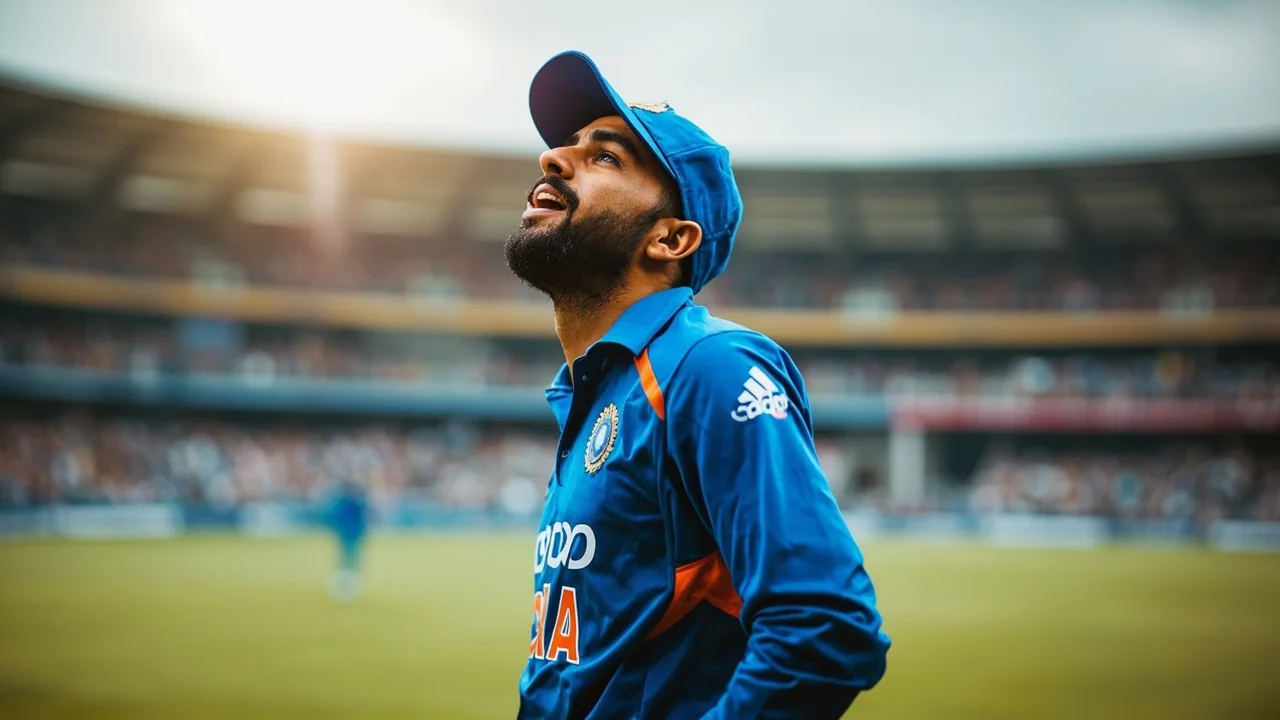
The announcement and the BCCI's immediate response
Rahane confirmed the decision through a social media post on the evening of 30 July 2026, after weeks of speculation about his international future following the IPL 2026 season. The post ran to a few hundred words, framed around gratitude to team-mates, support staff and the BCCI, and closed with a line thanking Indian fans for their support across formats. He did not name a specific Test series as the trigger, and the decision to retire rather than wait for the central contracts list later in the year was framed as his own call on timing.
Within hours, the BCCI released a formal statement on its official channels. President Mithun Manhas and honorary secretary Devajit Saikia both issued personal tributes, with the body's release describing Rahane as "one of Indian cricket's most dependable performers" and acknowledging the impact of his captaincy on the away series win in Australia during the 2020–21 Border-Gavaskar Trophy. The tone was markedly personal for a board communique, and reflected the standing Rahane commanded in Indian cricket's most demanding moments overseas. The statement also referenced his Test centuries at Lord's, Melbourne, Wellington, Kingston and Durban, all scored in high-pressure away conditions, and noted that his run tally across formats crossed 8,000 international runs.
The contrast with Rahane's position at the start of his career is sharp. He debuted in the Indian Premier League's earliest seasons and broke into the India Test side in 2011, gradually working his way up the order through away tours in West Indies, South Africa and England before becoming the senior middle-order presence he remained until the late 2020s. Read more cricket news on his career arc and what the next generation of India's middle-order credits looks like.
The captaincy record: six Tests, unbeaten as skipper
The BCCI's decision to lead its tribute with the captaincy record is the clearest signal of how the board wants Rahane's career to be remembered. He captained India in six Tests and did not lose any of them, finishing his tenure as skipper with four wins and two draws. The win-loss-draw ledger includes the away series win in Australia, which is the headline reference point in any assessment of his leadership credentials, but the context matters: he took over mid-series against one of the most intimidating attacks in world cricket, in the middle of the COVID-19 pandemic, with India bowled out for 36 in the first innings of the Adelaide Test after Virat Kohli's paternity-leave departure and a string of frontline injuries.
The structural context around the Adelaide Test also shaped the conditions Rahane inherited. India were without multiple frontline quicks through injury, the squad was operating inside a tightly managed bio-bubble, and the team was chasing the deficit imposed by the lowest Test total India had recorded in recent memory. The BCCI's release did not name Adelaide as a turning point, but the framing of its tribute implied it. Rahane's six-Test captaincy window ended with the breach of Australia's long-standing unbeaten record at The Gabba in Brisbane, a result that doubled as the series-clinching moment of the 2020–21 Border-Gavaskar Trophy.
The overseas Test hundreds that framed his reputation
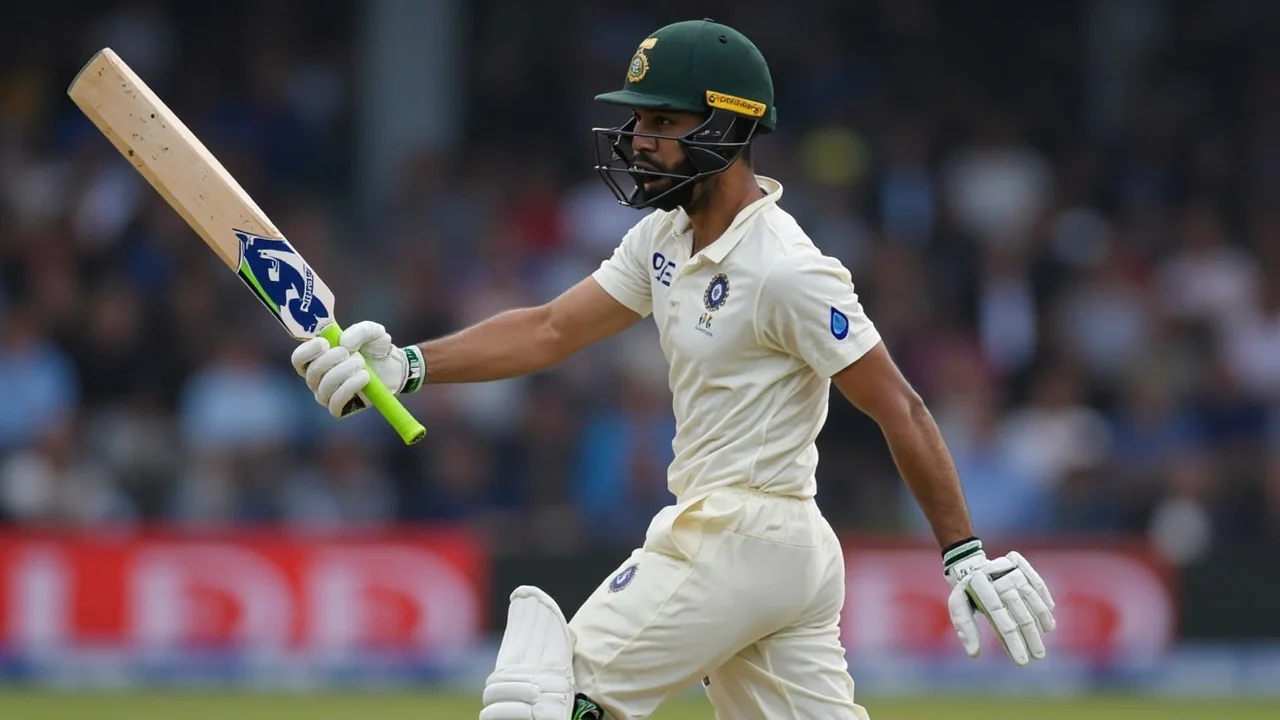
The BCCI's release called out Rahane's Test centuries at five specific venues: Lord's, the MCG in Melbourne, the Basin Reserve in Wellington, Sabina Park in Kingston and Kingsmead in Durban. Every venue on the list is an away ground. None of the centuries were compiled on Indian pitches, and four of them came in matches where the opposition held the conditions advantage on paper. The pattern is the case the BCCI is making for Rahane's overseas credentials: he produced his best innings precisely where Indian batsmen have historically struggled, and the venue-by-venue record reflects that.
The MCG hundred came in a Boxing Day Test, the Wellington knock came in conditions that tested temperament as much as technique, and the Sabina Park innings sealed a result when India needed a fourth-innings chase on a deteriorating surface. The Lord's century was his first major statement hundred on English soil, and the Durban innings completed a sequence of Tests in South Africa where India had rarely won sessions against the home attack in the previous decade. The BCCI's release did not break down the innings-by-innings context, but the act of listing five specific overseas venues in a single paragraph is how the board signalled that the away record is the dimension of the career it wanted to anchor Rahane's legacy on.
The honest caveat on the hundred list is that the away record is not quite as clean as the BCCI's framing suggests. Rahane's home Test record is the more measured of his two sets: he played longer innings on Indian pitches and made fewer of the high-impact hundreds abroad. The five-match overseas-tour knocks carry the weight of the BCCI's tribute precisely because they were rare in the way they came together. The captaincy win at The Gabba, the Melbourne Boxing Day hundred, and the Wellington chase are the three reference points most Indian writers will reach for when they look back at this career.
The 2020-21 Border-Gavaskar Trophy and the moment Brisbane became the reference point
The 2020-21 Border-Gavaskar Trophy will be the framing reference for any future writeup of Rahane's career. India went into the tour with the Test championship points table narrowly against them and a senior pace attack running on rotation. Adelaide produced the lowest India total of recent memory and Kohli's departure for the paternity leave that took him out of the next three Tests. The squad that turned up for the second Test at Melbourne was an age-group mix of seniors and debutants, and Rahane's captaincy across the final three Tests of the series held the architecture together.
The series win in Australia was sealed by breaching Australia's long-standing unbeaten record at The Gabba in Brisbane. The Gabba run had stood since 1988, and India became the first touring side to take it down in the post-restoration era of the venue. Rahane did not play the final Test at Brisbane after picking up an injury in the drawn Sydney Test that preceded it, which means his captaincy window closed with the MCG win that kept the series level, and the result that took the trophy back to India was overseen by the vice-captain and a stand-in leadership group. The BCCI's framing of the result as part of Rahane's tenure is generous but defensible — the campaign was his set-up, his rotations, and his selection calls from the second Test onward.
How the farewell fits into the broader Test middle-order cycle
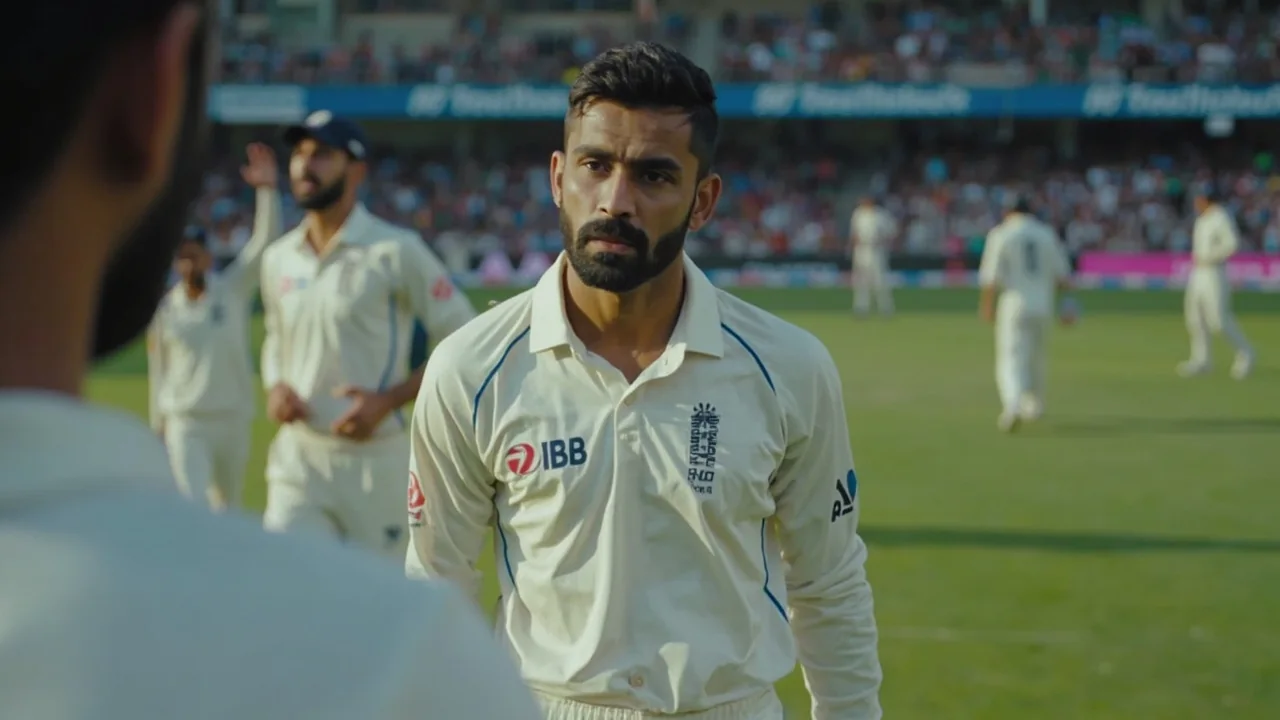
The retirement lands inside a Test middle-order cycle that was already being reshuffled after the 2025-26 home season. The BCCI's preference across the past year has been to rotate middle-order slots around younger players who came through the India A setup, and Rahane's central contract had not featured prominently in the most recent squad announcements. The transition has not been a public rupture: he played his last Test in the early months of the 2025-26 season and was not picked for the tours that followed, with the BCCI leaving the door open to a stylistic decision rather than a performance one.
The timing of the announcement, on the eve of the Sri Lanka Tests and ahead of the home Test schedule that resumes after the World Cup 2026, lets the BCCI frame the retirement as the clean end of a cycle rather than a contested exit. The BCCI's release closed by thanking Rahane for "his contribution to Indian cricket across formats" and wishing him well for the next phase of his career in domestic and franchise cricket. The phrasing is standard for a board retirement communique, but the rapidity of the response, and the personal sign-off from both Mithun Manhas and Devajit Saikia, is the part that distinguishes this farewell from a routine mid-career end.
Frequently asked questions
When did Ajinkya Rahane retire from international cricket?
Rahane announced his retirement from international cricket on 30 July 2026 through a social media post. The BCCI released a formal tribute on the same day.
What did the BCCI say in its tribute to Rahane?
The BCCI described Rahane as one of India's most dependable performers, called out his overseas Test centuries at Lord's, Melbourne, Wellington, Kingston and Durban, and highlighted his unbeaten captaincy record. BCCI president Mithun Manhas and honorary secretary Devajit Saikia issued personal statements.
What was Rahane's captaincy record in Tests?
Rahane captained India in six Tests and finished unbeaten as skipper, with four wins and two draws. The headline result was the 2-1 series win in Australia during the 2020-21 Border-Gavaskar Trophy.
What series did Rahane captain India to a win in Australia?
Rahane led India to a famous series win in the 2020-21 Border-Gavaskar Trophy, sealed by breaching Australia's long-standing unbeaten record at The Gabba in Brisbane. India had been dismissed for 36 in the Adelaide Test before he took over as captain following Virat Kohli's paternity-leave departure and a string of injuries.
How many international runs did Rahane score in his career?
Rahane accumulated more than 8,000 international runs across formats over a career that spanned nearly 15 years, according to the BCCI's farewell release on 30 July 2026.
Stay across the next India Test assignment
Use code MYTEAM100 for the Rs 100 welcome bonus and follow the cricket news desk for the squad news before the Sri Lanka Tests begin on 15 August.